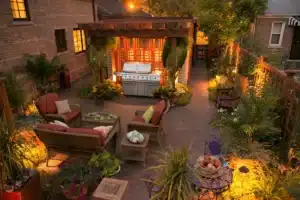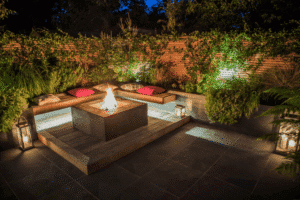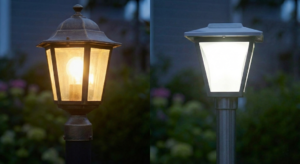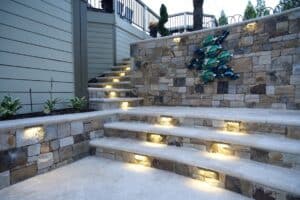
Upgrading your outdoor space with professional landscape lighting doesn’t require an electrician or a big budget. Low voltage landscape lighting kits have become the go-to solution for homeowners who want to add curb appeal, safety, and ambiance without tearing up their yard. This guide covers everything you need to choose the best low voltage landscape lighting kits for your home in 2026 — from understanding wattage and transformer ratings to installing pathway landscape lights and uplighting for trees. Whether you want to line a front walkway, spotlight a prized oak, or add a warm glow to garden beds, low voltage LED landscape lights make it achievable in an afternoon. Let’s get into it.
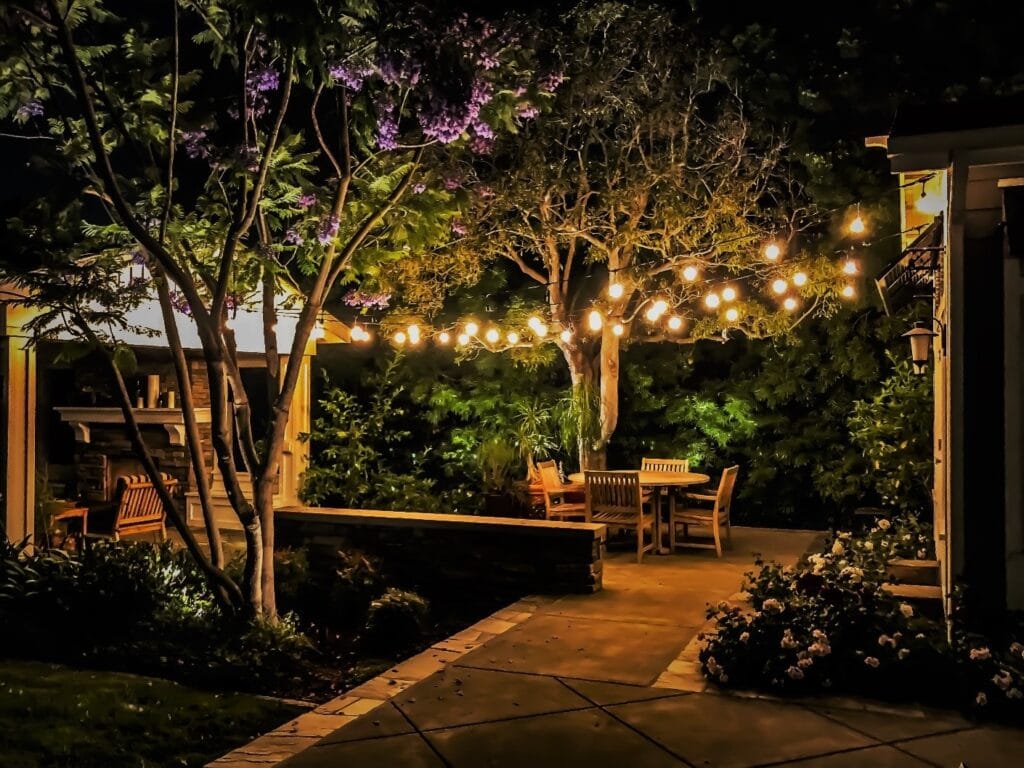
• The best low voltage landscape lighting kits run on 12V AC, making them safe for DIY installation.
• Always match your transformer wattage to the total wattage of all connected landscape lighting fixtures.
• LED landscape lights use up to 75% less energy than halogen and last far longer.
• Pathway landscape lights and uplighting for trees are the most popular starter configurations.
• A quality landscape lighting transformer with a built-in timer saves energy and extends bulb life.
• Plan your landscape lighting design on paper before purchasing — it prevents costly overloads.
What Is Low Voltage Landscape Lighting?
Standard household circuits run at 120 volts. Low voltage landscape lighting systems step that down to 12 volts AC using a landscape lighting transformer that plugs into a standard outlet. At 12 volts, the wiring is safe to bury, easy to cut and connect without permits in most jurisdictions, and forgiving of DIY mistakes. The National Electrical Code (NEC) classifies 12V landscape wiring as Class 2 low-voltage wiring, which means it carries far less shock risk than standard household wiring. This classification is why most municipalities do not require a permit to install these systems — always verify local codes, but in practice, low voltage landscape systems are among the most beginner-friendly electrical projects available. You can review the official NFPA National Electrical Code standards to understand the specific safety requirements for Class 2 circuits. Most modern kits use LED landscape lights rather than older halogen bulbs. According to the U.S. Department of Energy, LED lighting saves at least 75% more energy than halogen equivalents and lasts 25 times longer, making them the obvious choice for any outdoor landscape lighting project started today.
Key Takeaways
How to Choose the Best Low Voltage Landscape Lighting Kit
Transformer Wattage
The landscape lighting transformer is the heart of any low voltage system. Its wattage rating determines how many fixtures you can connect. Add up the wattage of every fixture you plan to install, then choose a transformer rated for at least 25% more than that total. For example, if your fixtures total 80 watts, choose a 100W or 150W transformer. To ensure you get the math right, consult our guide on sizing your landscape lighting transformer. Most beginner kits include a 150W transformer, which supports 10–15 typical LED path lights (each drawing around 4–8W). If you plan to expand to uplighting for trees or additional zones, consider a 300W transformer from the start.
Number of Fixtures and Cable Length
Each kit comes with a set number of fixtures and a set length of cable. Pay attention to the cable gauge — 12-gauge wire handles longer runs better than 16-gauge. Voltage drop becomes a real problem on runs longer than 100 feet with thin wire. Industry best practices from the American Lighting Association suggest limiting individual runs to under 150 feet on 12-gauge cable to maintain fixture brightness. If you are concerned about dimming lights at the end of a run, read our guide to fixing landscape lighting voltage drop.
Fixture Types Included
The most versatile beginner kits include a mix of fixture types: path lights for walkways, spotlights for uplighting trees or architectural features, and well lights for in-ground accent lighting. If the kit only includes one fixture type, make sure it matches your primary goal.
Top Low Voltage Landscape Lighting Kit Comparison (2026)
| Kit Name | Transformer | Fixtures | Fixture Type | Best For | Price Range |
|---|---|---|---|---|---|
| VOLT Landscape 8-Piece | 150W, Timer | 8 path lights | LED path | Front walkway starters | $120–$150 |
| Moonrays 95457 | 120W, Photocell | 10 path lights | LED path | Budget-conscious beginners | $60–$90 |
| Hampton Bay 7-Piece | 200W, Dual Timer | 4 path + 3 spot | LED mix | Mixed pathway & uplighting | $100–$130 |
| Kichler Landscape Pro | 300W, Smart Timer | 6 spotlights | LED spot | Tree uplighting & focal points | $180–$250 |
| Ring Smart Lighting | Wi-Fi Bridge | 6 path lights | LED path/solar | Smart home integration | $150–$200 |
Note: Prices are approximate retail ranges as of early 2026. Always verify current pricing with retailers.
How to Install a Low Voltage Landscape Lighting Kit: Step-by-Step
Most beginner kits can be installed in two to four hours with basic tools. Here is the standard process:
- Plan your landscape lighting design. Sketch your yard and mark where each fixture will go. Note the distance from the transformer to the farthest fixture. Not sure where to start? Check out our tips for planning a custom landscape lighting design.
- Mount the transformer. Install it on an exterior wall within 6 feet of a GFCI-protected outdoor outlet, at least 12 inches above ground level.
- Lay the cable. Run it along your planned route without burying it yet. Use landscape staples or rocks to hold it in place temporarily.
- Attach fixtures. Use the quick-connect connectors included in the kit. Most use a piercing connector — no wire stripping required. Snap the connector over the cable and tighten. For the most durable, corrosion-resistant connections, we recommend upgrading to professional gel-filled wire connectors instead of standard plastic ones.
- Test the system. Plug in the transformer and test all fixtures before finalizing placement. Adjust angles for any spotlights used for uplighting trees or walls.
- Bury the cable. Once satisfied with placement and brightness, bury the cable 3–6 inches deep using a flat spade or renting a cable-laying tool for larger yards. Be careful not to cut the wire; if you do, follow our steps for repairing damaged landscape cable.
- Set the timer. Program your transformer timer or photocell sensor. Most transformers allow you to program on/off times. Aim for dusk-to-midnight to balance visibility and energy use.
Pros and Cons of Low Voltage Landscape Lighting Kits
Pros
• Safe 12V system — no permit required in most U.S. jurisdictions • LED landscape lights are energy-efficient and long-lasting • Easy DIY installation with quick-connect cable connectors • Transformer controls the entire system from one point • Expandable — add fixtures to the same cable run over time • Wide variety of fixture styles for pathway, uplighting, and garden use
Cons
• Voltage drop limits cable run lengths — longer yards need careful planning • Inexpensive kits often use lower-quality connectors that corrode over time • Transformer must be near an outdoor GFCI outlet • Not suitable for high-power commercial fixtures without an upgraded transformer
Do’s and Don’ts of Low Voltage Landscape Lighting
Do
• Do calculate total fixture wattage before buying a transformer • Do use UV-rated, direct-burial landscape cable • Do install fixtures in zones so you can run different areas on different timers • Do use a GFCI outlet to protect the transformer • Do choose LED landscape lights for all new installations
Don’t
• Don’t overload your transformer — leave at least 25% headroom • Don’t use indoor extension cords to reach the outlet • Don’t bury cable before testing every fixture • Don’t point spotlights directly at neighbors’ windows • Don’t mix 12V and 120V systems on the same circuit
Choosing the Right Kit for Your Situation
If your primary goal is lighting a walkway or driveway, choose a kit that focuses on pathway landscape lights, such as the Moonrays 95457 or Hampton Bay 7-Piece. These kits include the right fixture height, beam angle, and spacing for pedestrian areas.
If you want to highlight trees, garden walls, or architectural features, choose a kit with spotlights designed for uplighting, such as the Kichler Landscape Pro. Spotlights have a narrow, focused beam specifically built for this purpose — pathway lights will not produce the same effect. Master the art of highlighting trees with uplights using our expert guide to get the best results.
If you plan to expand significantly over the next few years, invest in a 300W or larger transformer from the start. Replacing a 150W transformer after you’ve already buried cable is a frustrating and avoidable extra cost. Browse our selection of 300W landscape transformers to future-proof your system.
Real-World Example: A Beginner’s Front Yard Transformation
Hypothetical scenario: A homeowner in suburban Ohio wanted to add curb appeal to a 40-foot front walkway and highlight two large maple trees flanking the entrance. They purchased a Hampton Bay 7-piece kit (150W transformer, 4 path lights, 3 spotlights) at a home improvement store for around $110.
They laid cable from the transformer — installed near the garage outlet — in a single 80-foot run. Path lights were spaced every 8 feet along the walkway. Two spotlights were aimed upward at the maples from ground level, and one spotlight highlighted a stone mailbox post.
Total installation time was approximately 2.5 hours. The transformer’s built-in timer was set to turn on at dusk and off at 11 p.m. The homeowner later added four more path lights the following spring by extending the same cable run — a straightforward expansion because the 150W transformer still had 40 watts of capacity available.
Frequently Asked Questions
What does ‘low voltage’ mean in landscape lighting? Low voltage landscape lighting operates at 12 volts AC, stepped down from standard 120V household power by a transformer. This makes the wiring safe to handle and install without professional electrician services in most cases.
How many lights can I run on a 150W transformer? With typical LED path lights drawing 4–8 watts each, a 150W transformer can support 15–30 fixtures while staying within its rated capacity. Always leave 25% headroom — so plan for a maximum of 112 watts of connected fixtures on a 150W unit.
Can I add more fixtures to a kit later? Yes. Most low voltage systems use a continuous cable run. You can add fixtures by connecting them to the existing cable as long as your transformer has sufficient remaining wattage capacity.
What is the best placement for pathway landscape lights? Space path lights 6–10 feet apart along walkways, alternating sides for a balanced look. Keep them 12–18 inches back from the edge of the path to prevent tripping and mowing damage.
Do I need a permit to install low voltage landscape lighting? In most U.S. municipalities, 12V low voltage wiring does not require a permit. However, the transformer itself must be plugged into a code-compliant GFCI outdoor outlet. Always check your local codes to confirm.
What is voltage drop and why does it matter? Voltage drop occurs when resistance in a long cable run reduces the voltage reaching fixtures at the far end. Fixtures that receive less than 10.8V appear dim. Use 12-gauge cable for runs over 50 feet to minimize this effect.
Are solar landscape lights a good alternative? Solar lights work for low-traffic decorative areas but are generally less reliable than wired low voltage systems. They depend on daily sunlight, which varies seasonally, and their integrated batteries degrade over time. Read our comparison on why low-voltage lighting outperforms solar to see the full breakdown.
How deep should I bury landscape lighting cable? The National Electrical Code recommends burying low voltage cable at least 6 inches deep. Even 3–4 inches provides adequate protection from routine gardening, though deeper is better in high-traffic areas.
Glossary of Key Terms
Low Voltage Transformer: A device that converts standard 120V household electricity to 12V AC for safe use in landscape lighting systems. It typically includes a built-in timer and/or photocell sensor.
Voltage Drop: The reduction in electrical voltage along a cable run caused by wire resistance. Excessive voltage drop causes landscape lights to dim or flicker, and is managed by using thicker cable or shorter runs.
GFCI Outlet: A Ground Fault Circuit Interrupter outlet that shuts off power instantly if it detects an electrical fault. Required by code for outdoor outlets and essential for any outdoor landscape lighting transformer connection.
Lumen Output: A measurement of the total visible light emitted by a fixture. For pathway landscape lights, 100–200 lumens per fixture is typical; for uplighting trees, 300–700+ lumens may be needed.
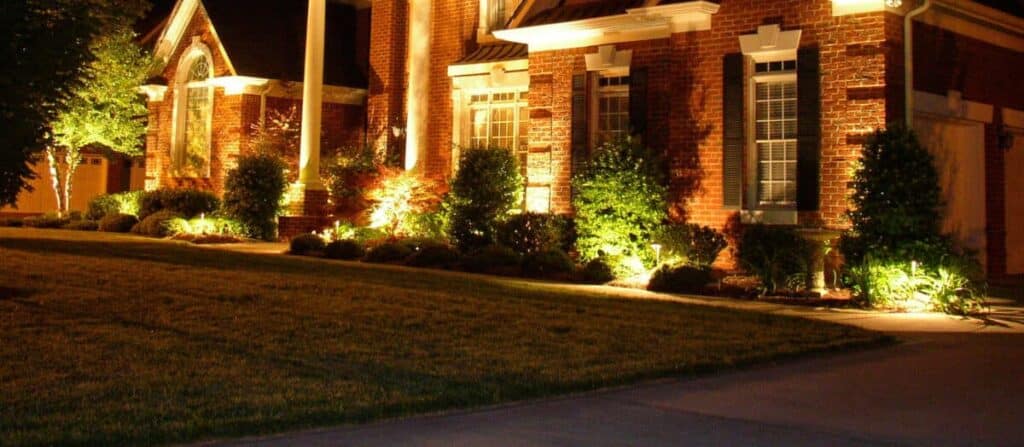
Conclusion: Light Up Your Yard with Confidence
Low voltage landscape lighting kits offer beginners an accessible, safe, and genuinely rewarding home improvement project. With the right transformer, quality LED landscape lights, and a few hours of weekend work, you can transform a dark, flat yard into a layered outdoor space with genuine curb appeal and improved safety. The best approach is to start with a clear landscape lighting design: identify your primary goals (walkway safety, tree uplighting, garden accents), calculate your wattage needs, and choose a transformer with room to grow. Whether you choose a budget-friendly starter kit or invest in a mid-range system with smart timer controls, the fundamentals remain the same. Ready to get started? Browse the kits mentioned in this guide at your local home improvement retailer or find a local Tru-Scapes authorized dealer. Pick up a notepad, sketch your yard, and you’ll be installing your first fixtures before the weekend is over.