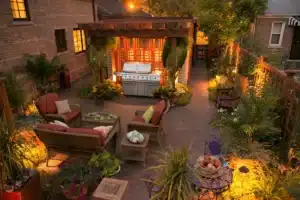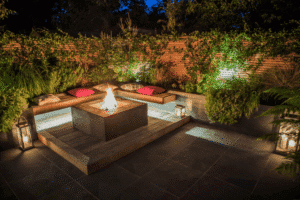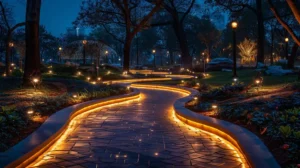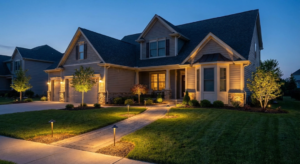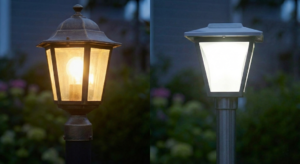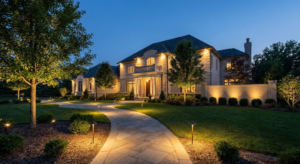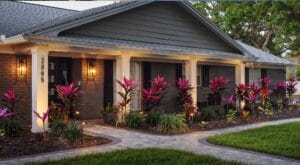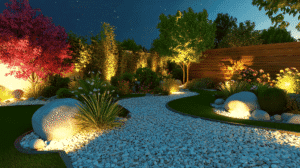
Most homeowners spend months carefully selecting flowers, mulch, and shrubs — and then watch all that effort vanish the moment the sun sets. Garden lighting fixtures solve exactly this problem. The right lights don’t just add visibility; they reshape how your entire yard is perceived after dark.
This guide covers the best fixture types for flower beds and shrubs, explains how outdoor landscape lighting systems work, compares key product categories, and gives you a step-by-step framework for planning a system that fits your yard, budget, and aesthetic. Whether you’re a first-time buyer eyeing low voltage landscape lighting systems or a seasoned homeowner considering professional landscape lighting, you’ll find clear, practical guidance here.
Key Takeaways
- Garden lighting fixtures come in many types — choosing the right one depends on plant height and layout.
- Low voltage landscape lighting kits are the safest and most beginner-friendly option for most homeowners.
- LED landscape lights last significantly longer than halogen bulbs and use far less energy.
- Uplighting for trees and tall shrubs creates dramatic focal points in evening landscapes.
- A landscape lighting transformer is essential for converting standard household current to safe low voltage.
- Professional landscape lighting installation is worth considering for complex multi-zone systems.
How Outdoor Landscape Lighting Systems Work
Before choosing fixtures, it helps to understand how the system ties together. Most residential outdoor landscape lighting operates on a 12-volt low voltage system, powered by a landscape lighting transformer that plugs into a standard outdoor outlet. The transformer steps down your home’s 120-volt current to 12 volts, making the system safe to install without an electrician in most jurisdictions.
Wire runs from the transformer out to individual fixtures buried or staked in the ground. Modern systems also support smart controls, allowing you to schedule on/off times or dim zones from a smartphone app. According to the American Lighting Association, low voltage systems account for the majority of residential landscape lighting installations due to their combination of safety, efficiency, and ease of DIY setup.
Knowing how to size your landscape lighting transformer is essential, as its wattage capacity determines how many fixtures you can run. A 150-watt transformer comfortably handles 10–15 LED landscape lights. Overloading a transformer shortens its life and dims your fixtures, so always calculate your total fixture wattage before purchasing.
The 6 Best Garden Lighting Fixture Types for Flower Beds & Shrubs
1. Pathway Landscape Lights
Pathway landscape lights are low-profile stake fixtures placed at ground level along walkways, borders, and garden edges. They cast a soft downward glow that defines space without overwhelming nearby plantings.
Best for: Defined borders, front-yard garden beds, mixed annual and perennial plantings.
Most pathway lights use a mushroom or dome cap to direct light downward, preventing glare. Spacing them 6–8 feet apart creates a smooth ribbon of light without hot spots.
2. Spotlights and Uplighting for Trees
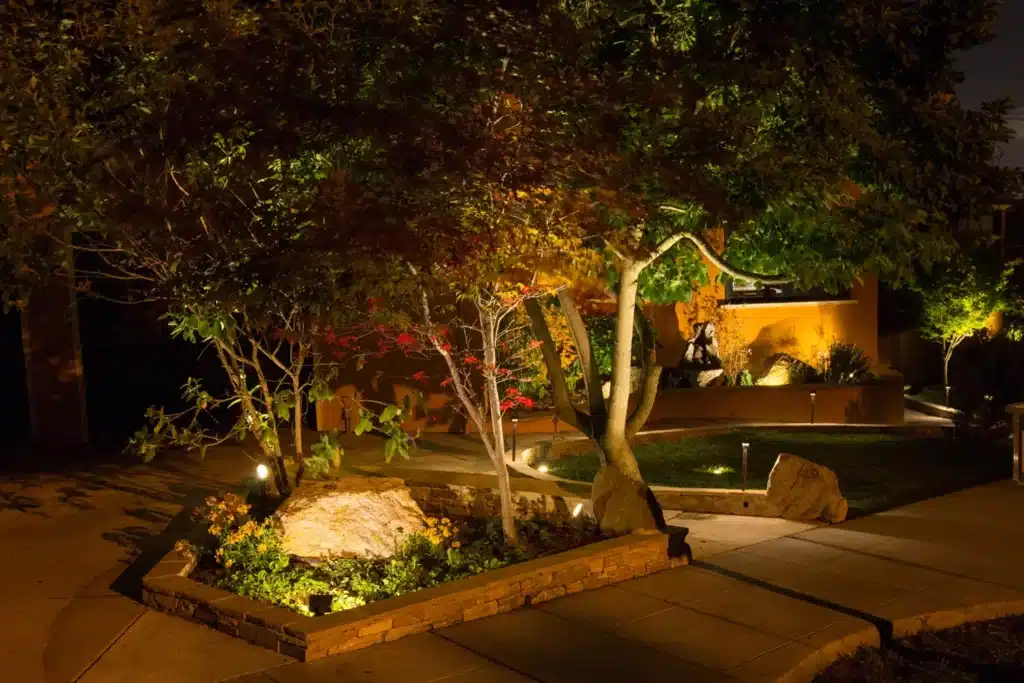
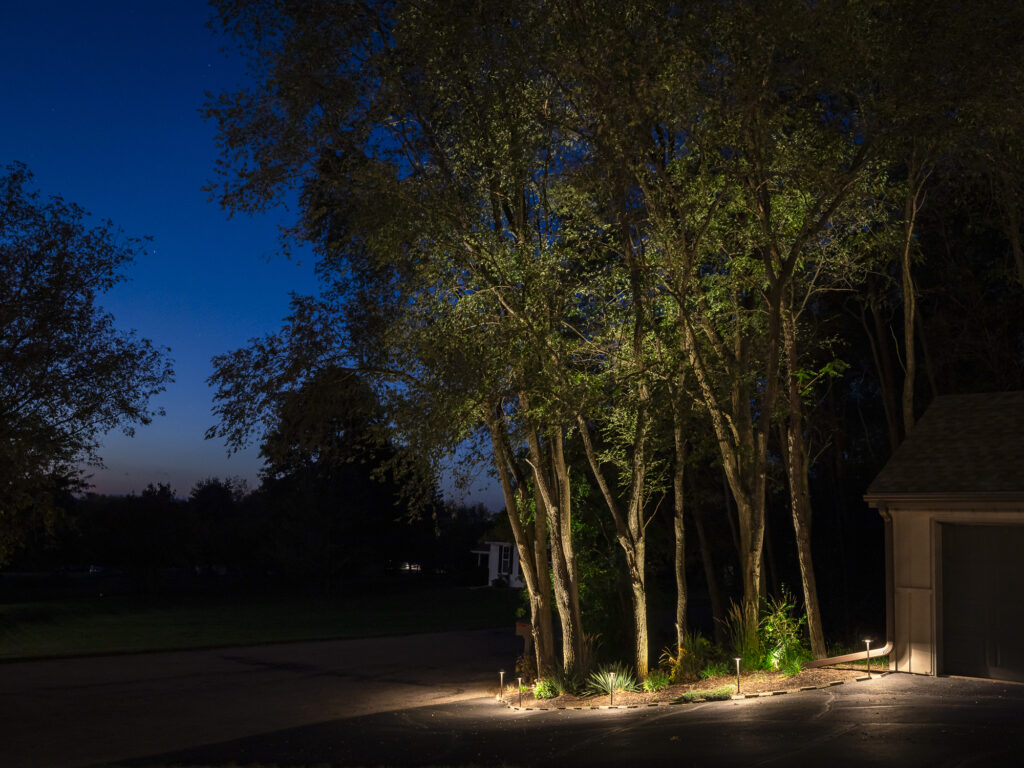
Spotlights are directional fixtures typically staked in the ground at an angle. When aimed upward at trees, tall shrubs, or architectural features, the technique is called uplighting for trees — one of the most impactful effects in landscape lighting design.
Best for: Japanese maples, ornamental grasses, crape myrtles, evergreen topiaries, and specimen shrubs.
LED spotlights with adjustable beam angles (typically 15°, 30°, or 60°) let you fine-tune the spread. A narrow beam punches through a dense canopy; a wide beam washes color softly across a hedge.
3. Flood Lights
Floodlights have a wide, diffuse beam and cover large surface areas. Unlike spotlights, they’re less about drama and more about general visibility.
Best for: Large shrub masses, foundation plantings, and wide flower beds that benefit from even coverage.
Floodlights work especially well paired with pathway landscape lights — the floods handle broad zones while pathways define edges.
4. Well Lights (In-Ground Uplights)
Well lights are flush-mounted, waterproof fixtures installed directly in the soil or hardscape. Because they sit below grade, they’re essentially invisible during the day.
Best for: Formal gardens, high-traffic areas where above-ground stakes would be kicked, and permanent landscape plantings.
Well lights require slightly more installation effort than stake fixtures but deliver a cleaner, more professional look — a reason many professional landscape lighting designers favor them in premium projects.
5. Deck and Step Lights
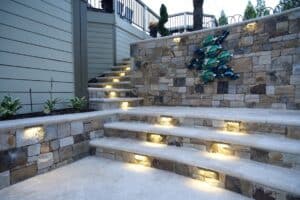
While not positioned in the flower bed itself, deck and step lights mounted on raised planters or retaining walls cast attractive side-light across adjacent shrubs and ground covers.
Best for: Raised beds, terraced gardens, and plantings adjacent to patios or walkway steps.
These fixtures integrate structural lighting with landscape lighting, blurring the line between hardscape and softscape in a visually pleasing way.
6. Spread Lights (Down Lights)
Spread lights, sometimes called garden spread fixtures or hat lights, are mounted on short stakes and cast light outward and downward in a wide, low fan pattern. Unlike pathway lights, the beam spreads laterally rather than directly down.
Best for: Ground covers, low border plants, and flower beds under 18 inches in height.
Comparison Table: Garden Lighting Fixture Types at a Glance
| Fixture Type | Beam Direction | Ideal Plant Height | DIY Friendly | Best Use Case |
|---|---|---|---|---|
| Pathway Light | Downward | Under 24″ | ✅ Yes | Walkway borders |
| Spotlight / Uplight | Upward / Adjustable | 3 ft + | ✅ Yes | Trees, specimen shrubs |
| Flood Light | Wide / Diffuse | Any | ✅ Yes | Large bed coverage |
| Well Light | Upward | 3 ft + | ⚠️ Moderate | Formal/permanent landscapes |
| Deck / Step Light | Sideways | Ground level | ✅ Yes | Raised beds, patios |
| Spread Light | Lateral / Down | Under 18″ | ✅ Yes | Ground covers, low annuals |
LED vs. Halogen: Why LED Landscape Lights Win
For years, halogen bulbs were the standard in landscape lighting. Today, LED vs. halogen landscape lighting comparisons show LEDs have largely replaced them — and for good reason.
Pros of LED Landscape Lights
- Use 75–80% less energy than comparable halogen fixtures, according to U.S. Department of Energy efficiency data
- Last 25,000–50,000 hours versus roughly 2,000 for halogen
- Produce less heat, reducing fire risk near dry mulch and foliage
- Available in a wide range of color temperatures (warm white to cool daylight)
- Compatible with smart dimmers and timers
Cons of LED Landscape Lights
- Higher upfront purchase cost than halogen equivalents
- Some low-cost LEDs produce inconsistent color rendering
- Older transformer systems may need upgrades to handle LED loads efficiently
According to Illuminating Engineering Society standards, LED sources are recommended for all new landscape installations due to their lifespan and energy efficiency advantages.
How to Choose the Right Color Temperature
Knowing how to choose the right color temperature, measured in Kelvin (K), dramatically affects how plants look under artificial light.
- 2700K–3000K (Warm White): Makes reds, oranges, and yellows pop. Ideal for summer annuals, roses, and autumn foliage.
- 3500K–4000K (Neutral White): Flatters greens and blues. Works well for hedges, boxwoods, and ornamental grasses.
- 5000K+ (Cool Daylight): Harsh on most plantings; best reserved for security applications, not garden lighting design.
If you need a cohesive, warm evening aesthetic, choose 2700K–3000K across all your garden lighting fixtures. Mixing color temperatures in one space creates a disjointed look.
Step-by-Step: Planning Your Landscape Lighting Design
Step 1: Walk Your Property After Dark
Turn off your porch lights and spend 10 minutes walking your property. Note which plants disappear and which naturally catch available light from streetlamps or the house. These observations tell you where lighting will have the most impact.
Step 2: Identify Your Priority Zones
Divide your yard into zones: front entry, driveway border, side beds, and back garden. Rank them by importance and tackle highest-priority zones first if budget is limited.
Step 3: Select Fixture Types per Zone
Match fixture type to plant height and desired effect. Use pathway landscape lights along walkways, spotlights for specimen trees, and spread lights for low flower beds.
Step 4: Calculate Transformer Wattage
Add up the wattage of every fixture you plan to install. Add 20% as a buffer. Choose a landscape lighting transformer that meets or exceeds that total. A 150-watt transformer with Wi-Fi control is a common starting point for a modest residential installation.
Step 5: Lay Out Your Wire Runs
Plan wire runs from the transformer to each zone. Keep individual wire runs under 100 feet where possible, a key step in understanding voltage drop. Use 12-gauge wire for longer runs.
Step 6: Install Fixtures
Stake or install fixtures at planned locations. Connect to wire using the manufacturer’s quick-connect connectors. Most low voltage landscape lighting kits include everything needed for this step.
Step 7: Test and Adjust Aim
Turn the system on after dark and adjust fixture angles. Spotlights often need fine-tuning after initial install — a small adjustment makes a significant difference in the final effect.
Step 8: Program Your Timer
Set your transformer’s timer or smart schedule to run lights from dusk until 11 p.m. or midnight. Running lights all night wastes energy without a meaningful benefit for most homeowners.
Do’s and Don’ts of Garden Lighting Design
DO:
- Use warm white (2700K–3000K) LEDs for flower beds and shrubs
- Space pathway lights 6–8 feet apart for smooth, even coverage
- Choose fixtures rated IP65 or higher for full weather resistance
- Use a transformer with at least 20% wattage headroom above your total load
- Bury wire at least 3 inches deep to protect from foot traffic and lawn equipment
- Follow International Dark-Sky Association guidelines to minimize light pollution and glare
DON’T:
- Mix color temperatures across a single garden zone
- Overlook voltage drop — fixtures far from the transformer will appear dimmer
- Aim spotlights directly into neighbors’ windows or oncoming traffic
- Skip ground fault protection on your outdoor outlet
- Purchase fixtures without checking their IP rating for outdoor use
Real-World Example: Front Yard Flower Bed Transformation (Hypothetical)
Consider a homeowner in the Midwest with a 40-foot curved front bed containing hostas, knockout roses, and a single ornamental cherry tree. Previously, the yard was entirely dark after 7 p.m.
After a weekend installation using a low voltage landscape lighting kit, the results included: four spread lights along the front of the hosta border, two spotlights aimed upward into the cherry tree at 30° angles, and three pathway lights along the front walk. Total fixture load: 62 watts. They used a 150-watt transformer with a built-in dusk-to-dawn sensor.
The outcome: a front entry that read as polished and intentional from the street, with no visible fixtures during daylight hours. Cost of materials: under $400.
When to Hire Professional Landscape Lighting Installers
If you need X, choose Y. Specifically:
- If your system spans multiple zones across a large property, consider professional design services who can account for voltage drop over long runs, create a zoned transformer setup, and use buried conduit for durability.
- If you want in-ground well lights or hardwired fixtures, a licensed electrician or certified landscape lighting professional is typically required or recommended by local code.
Professional landscape lighting associations such as the Association of Outdoor Lighting Professionals (AOLP) maintain directories where you can find a certified professional if you’re looking for vetted installers.
Quick Answers – FAQ
What are garden lighting fixtures? Garden lighting fixtures are outdoor luminaires designed to illuminate landscape features such as flower beds, shrubs, trees, and walkways. They are typically low voltage, weather-resistant, and LED-powered.
What is the best type of garden lighting for flower beds? Spread lights and pathway landscape lights work best for low flower beds. Spread lights cast a wide lateral glow across ground-level plantings, while pathway lights define borders along walkways.
How many lumens do I need for landscape lighting? For pathway and accent lighting, 100–200 lumens per fixture is typically sufficient. Spotlights for large trees may need 300–700 lumens depending on canopy size.
Is low voltage landscape lighting safe? Yes. Low voltage systems operate at 12 volts, well below the threshold for electrical shock risk. They are safe to install yourself in most U.S. jurisdictions without a licensed electrician.
What is a landscape lighting transformer? A landscape lighting transformer is a device that converts standard 120-volt household current to 12-volt low voltage power used by landscape lighting systems. It typically includes a built-in timer or smart controls.
How far apart should pathway lights be spaced? Most landscape designers recommend 6–8 feet between pathway landscape lights. Closer spacing (4–6 feet) suits narrower paths or when a brighter effect is desired.
What color temperature is best for garden lighting? Warm white (2700K–3000K) is generally best for flower beds and shrubs. It enhances warm plant colors and creates an inviting, natural evening ambiance.
Can I install garden lighting fixtures myself? Most low voltage landscape lighting systems are designed for DIY installation and require only basic tools. In-ground well lights and 120-volt hardwired fixtures typically require professional installation.
How long do LED landscape lights last? Quality LED landscape lights are rated for 25,000–50,000 hours of use, which translates to many years of nightly operation before bulb replacement is needed.
What is uplighting for trees? Uplighting for trees is a technique where spotlights are positioned at the base of a tree and aimed upward to illuminate the canopy. It creates dramatic nighttime visual interest and is one of the most popular landscape lighting effects.
Glossary of Terms
Low Voltage Landscape Lighting: An outdoor lighting system that operates at 12 volts rather than the standard 120-volt household current. It is safer, easier to install, and more energy-efficient than line-voltage alternatives.
Landscape Lighting Transformer: An electrical device that steps down 120-volt current to the 12 volts used by low voltage landscape systems. Most transformers include timers, dusk-to-dawn sensors, or smart app controls.
Uplighting: A lighting technique where fixtures are positioned below a plant or architectural feature and aimed upward to illuminate it from beneath, creating depth and drama.
IP Rating (Ingress Protection): A two-digit international standard indicating a fixture’s resistance to solid particles and water. For outdoor landscape use, a minimum IP65 rating is recommended, which means the fixture is dust-tight and protected against water jets from any direction.
Conclusion
Garden lighting fixtures are one of the highest-return investments a homeowner can make in their outdoor space. They extend the usability of your yard into evening hours, enhance security, and give your landscaping the visibility it deserves after dark. The key is matching fixture type to plant height and intended effect — spread lights for low beds, spotlights for trees and specimen shrubs, and pathway landscape lights to define your edges.
Start with a low voltage landscape lighting kit if you’re new to the category. Upgrade your landscape lighting transformer as your system grows. And if your goals involve large multi-zone systems or permanent in-ground fixtures, reach out to a certified professional landscape lighting designer for a consultation.
Your flower beds and shrubs deserve to be seen at night. The right garden lighting fixtures make that possible.
Ready to upgrade your yard? Start by mapping your garden zones, calculating your fixture wattage needs, and exploring low voltage landscape lighting kits rated for your climate.