Contractors live and die by two things: the quality of their work and the speed at which they deliver it. That is exactly why easy-to-install landscape lighting has become a non-negotiable part of the modern outdoor lighting toolkit. When components snap together cleanly, wire connections seal reliably, and product kits arrive organized and complete, a crew can finish more jobs without cutting corners.
Tru-Scapes builds its product line around that reality. From ready-to-deploy Rep Kits to weatherproof Tin-Plated Copper Heat Shrink Wire Connectors, the Tru-Scapes approach to landscape lighting prioritizes field reliability. This guide breaks down what makes a lighting system genuinely contractor-friendly, how to install it correctly, and why the right components make all the difference.

Key Takeaways
- Easy-to-install landscape lighting cuts labor time without sacrificing durability or long-term performance.
- Tru-Scapes rep kits give contractors a proven product lineup ready for real-world installations.
- Quality wire connectors prevent corrosion, moisture failure, and the callbacks that erode contractor reputations.
- Plug-and-play low voltage systems simplify wiring while keeping installations safe and code-conscious.
- Choosing engineered components upfront protects both the installer and the homeowner’s long-term investment.
What “Easy-to-Install” Really Means for Contractors
Ease of installation is not about shortcuts. It is about removing friction from a process that already demands precision. A truly installer-friendly system reduces the number of tools required, minimizes guesswork, and eliminates the weak points that cause failures months down the road.
Low voltage landscape lighting is the foundation of that simplicity. Because low voltage systems operate at reduced power, they are safer to handle, faster to run, and far more forgiving during layout. Contractors can position fixtures, adjust runs, and expand systems without the complications that come with line voltage work.
Plug-and-play design takes this a step further. When fixtures and transformers are designed to connect with standardized, sealed components, the crew spends less time troubleshooting and more time finishing. Tru-Scapes engineers their systems with this workflow in mind, so the components you pull out of the box are ready to perform.
The Contractor’s Step-by-Step Installation Workflow
A repeatable process keeps installations clean and consistent. Here is a proven sequence contractors can follow on nearly any low voltage project.
- Plan the layout. Walk the property, mark fixture locations, and confirm the transformer position near a GFCI-protected outlet.
- Set the transformer. Mount it securely, keeping it accessible for future adjustments and seasonal timing changes.
- Run the main cable. Lay low voltage wire along the planned path, leaving slack for adjustments before burial. Ensure proper gauge to prevent voltage drop over long runs.
- Connect fixtures. Attach each fixture to the cable using sealed, corrosion-resistant connectors.
- Seal every splice. Use heat-shrink wire connectors to lock out moisture at every connection point.
- Test the system. Power on and verify each fixture before final burial and cleanup.
- Bury and clean up. Trench the cable, conceal connections, and confirm the final aesthetic with the client.
Using the Tin-Plated Copper Heat Shrink Wire Connectors at step five is where many installations succeed or fail. A properly sealed splice is the single most important defense against the moisture intrusion that plagues outdoor systems.
Line Voltage vs. Low Voltage: A Feature Comparison
Understanding the practical differences helps contractors choose the right system for each job. For a deeper dive, see our guide on low voltage vs. line voltage outdoor lighting.
| Feature | Low Voltage Systems | Line Voltage Systems |
|---|---|---|
| Installation speed | Fast, minimal tooling | Slower, requires conduit |
| Safety during handling | High, reduced shock risk | Lower, full electrical risk |
| Layout flexibility | Easy to adjust and expand | Rigid, harder to modify |
| Permitting complexity | Often minimal | Frequently required |
| Typical use case | Residential landscapes, decks | High-output commercial runs |
For most residential and deck applications, low voltage is the clear winner. If a project demands high-output illumination across large distances, line voltage may have a role, but the vast majority of landscape work favors the speed and safety of low voltage installation.
Why Wire Connectors Make or Break an Installation
The connector is the smallest component in a lighting system and the most common failure point. Cheap connectors corrode, loosen, and admit water. When that happens, fixtures flicker, dim, or die entirely, and the contractor gets the callback.
Tru-Scapes solves this with tin-plated copper heat-shrink connectors engineered specifically for outdoor conditions. The tin plating resists corrosion, and the copper conductivity and corrosion resistance ensure reliable performance. The heat-shrink jacket forms a watertight seal around every splice. This is the kind of detail that separates a lasting installation from one that generates warranty complaints.
Choosing the Right Rep Kit for Your Projects
Not every job is the same, and neither is every kit. Tru-Scapes offers targeted rep kits so contractors and lighting professionals can carry the right products for the work in front of them.
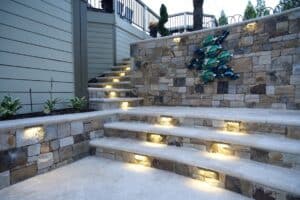
If your work centers on outdoor living spaces, the Deck & Dock Lighting Rep Kit equips you with fixtures suited to decks, docks, and waterside installations. If you focus on architectural and structural elements, the Structure Lighting Rep Kit provides lighting solutions built for columns, walls, and hardscape features.
For lighting reps and contractors who want a comprehensive sampling of the Tru-Scapes lineup, the full range of Rep Kits delivers a curated selection ready to demonstrate and deploy.
Pros and Cons of Plug-and-Play Landscape Lighting Systems
Pros
- Faster installation times
- Fewer failure points
- Safer low voltage handling
- Easy to expand later
Cons
- Requires quality components upfront
- Not ideal for extreme high-output needs
- Depends on proper sealing at splices
- Layout planning still essential
Installation Do’s and Don’ts
Do
- Seal every connection with heat-shrink connectors
- Leave cable slack for future adjustments
- Match transformer capacity to your fixture load
- Use kits organized for the job type
Don’t
- Rely on standard twist caps outdoors
- Bury connections without testing first
- Overload a single run with too many fixtures
- Mix mismatched, unproven components
A Faster, Cleaner Deck Install
A regional contractor took on a lakeside deck and dock lighting project with a tight completion window. On previous jobs, the crew had struggled with moisture-related failures at wire connections, leading to return trips and frustrated clients.
For this project, the team standardized on the Tru-Scapes Deck & Dock Lighting Rep Kit paired with Tin-Plated Copper Heat Shrink Wire Connectors. The organized kit meant fewer trips to the truck, and the sealed connectors eliminated the moisture concerns that had caused callbacks near the waterline.
The crew finished ahead of schedule, the client praised the clean result, and the contractor reported zero connection failures through the following wet season. The takeaway: when the components are engineered for the field, the whole job runs smoother.
Products That Get the Job Done
For Full Product Sampling
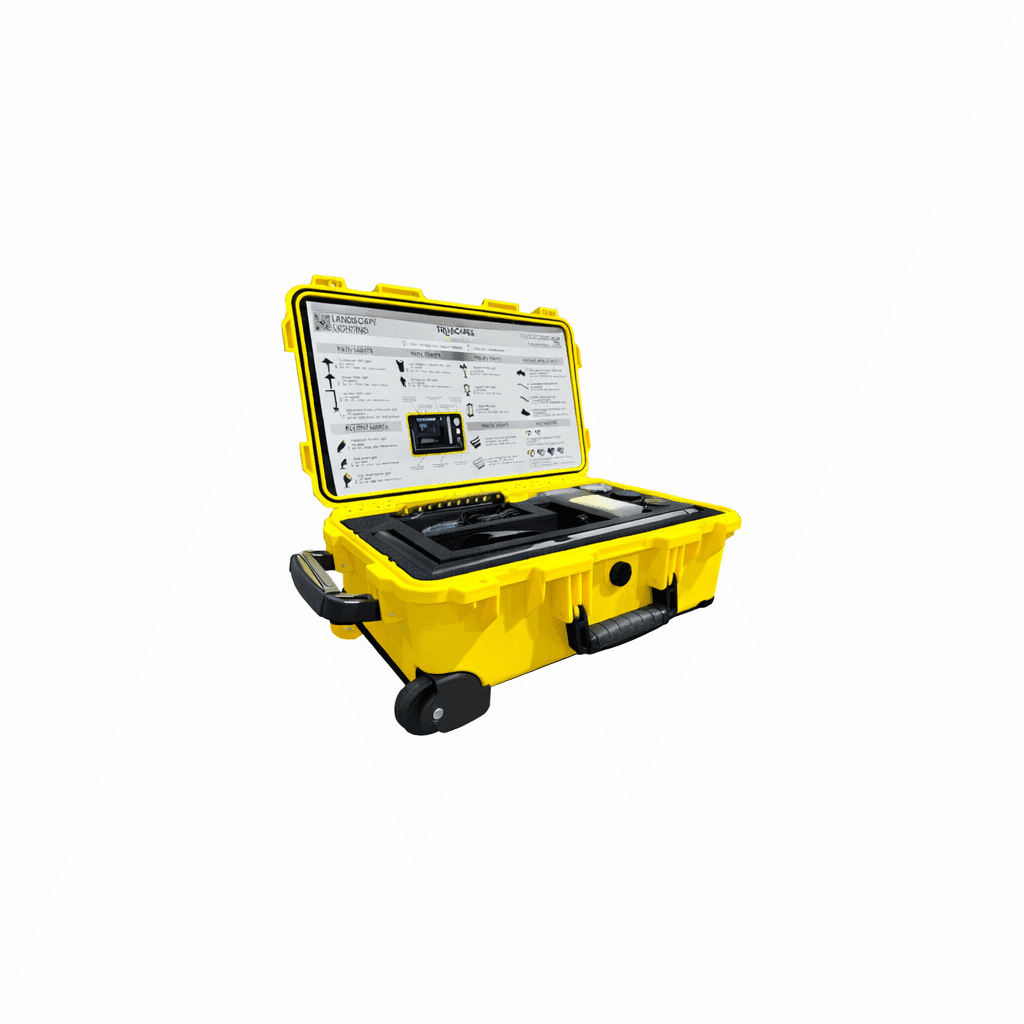
Rep Kits
The Tru-Scapes Rep Kits give contractors and lighting professionals a curated selection of proven fixtures and components in one convenient package. Built to demonstrate real-world performance, these kits let you show clients durable, professional-grade lighting and deploy it with confidence.
For Decks and Docks
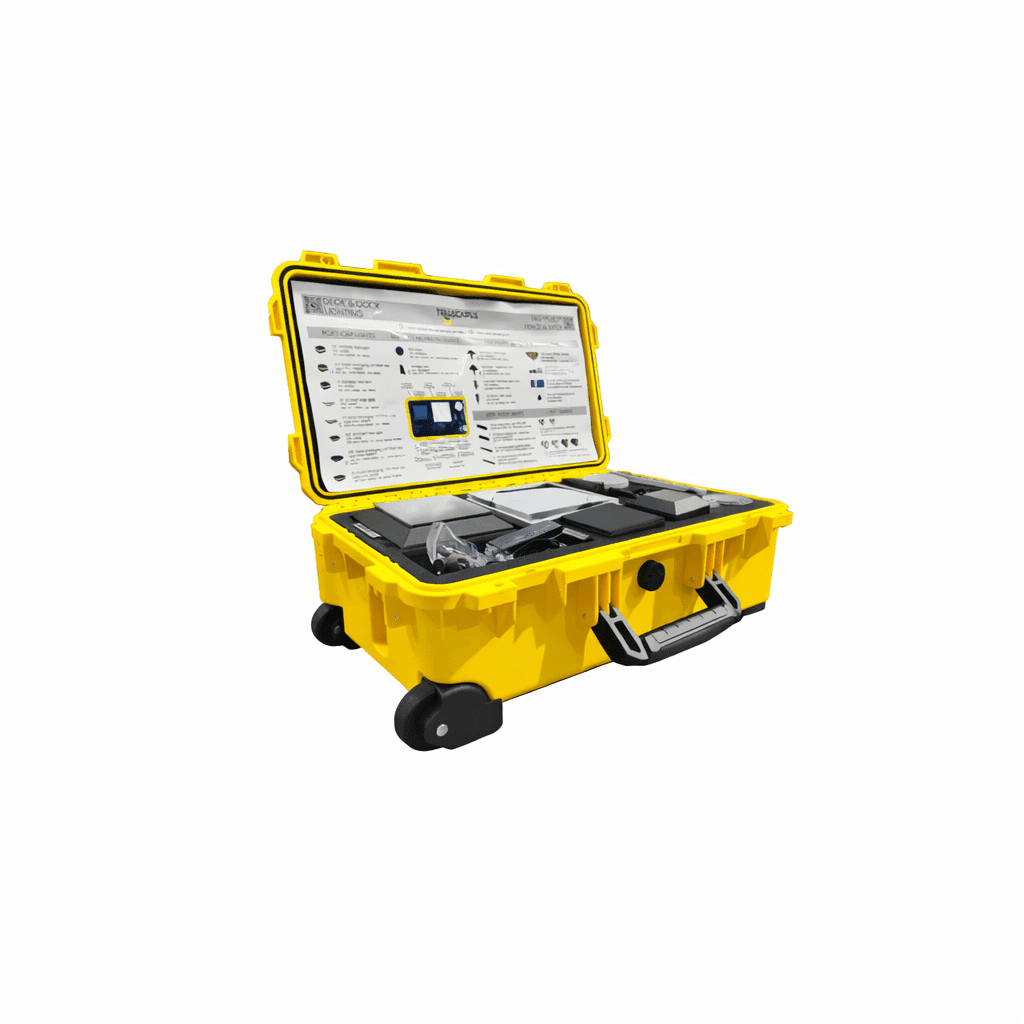
Tru-Scapes Deck & Dock Lighting Rep Kit
This kit is engineered for outdoor living spaces, decks, and waterside installations where durability matters most. Its fixtures are built to withstand exposure and deliver consistent illumination, making it a reliable choice for contractors working near water.
For Structures and Hardscapes
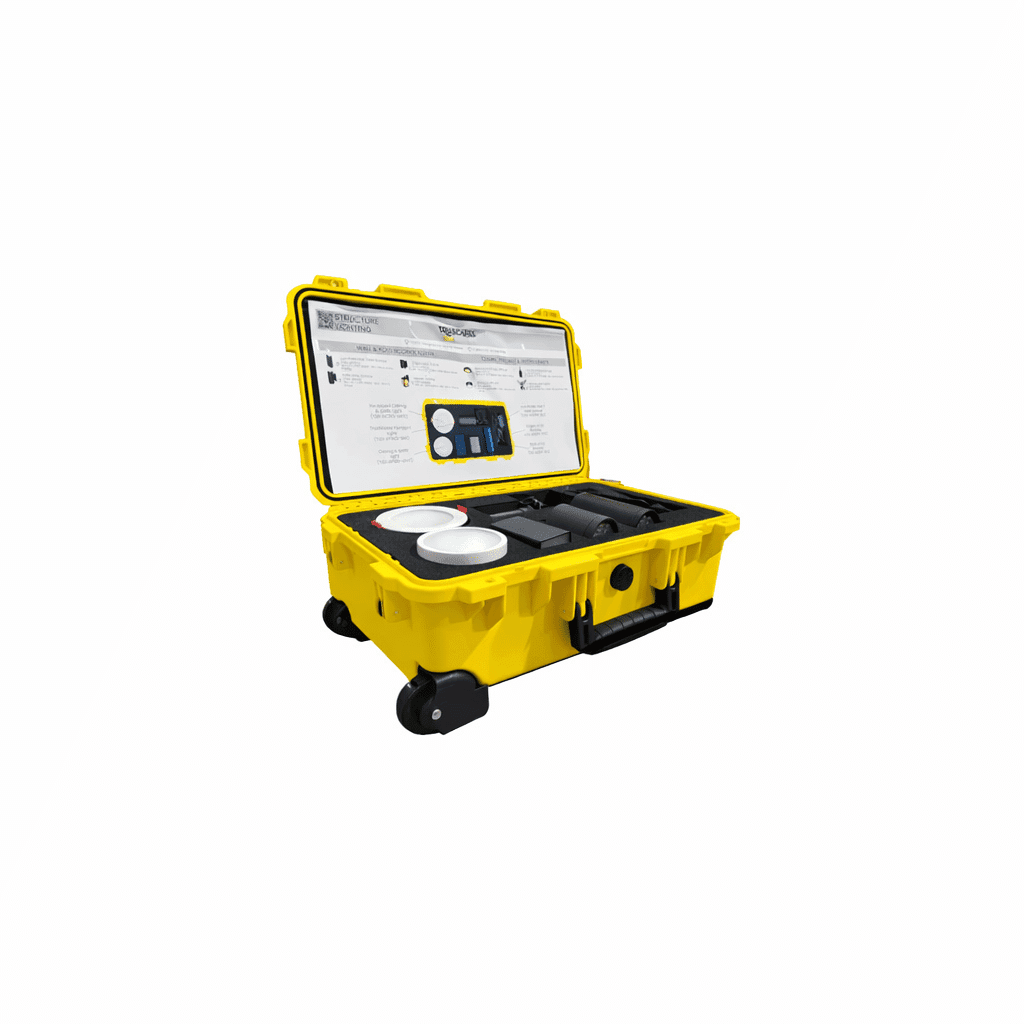
Tru-Scapes Structure Lighting Rep Kit
Designed for columns, walls, and architectural features, this kit equips contractors to light structural elements cleanly and dependably. The components are built for lasting performance across a wide range of hardscape applications.
For Reliable Connections
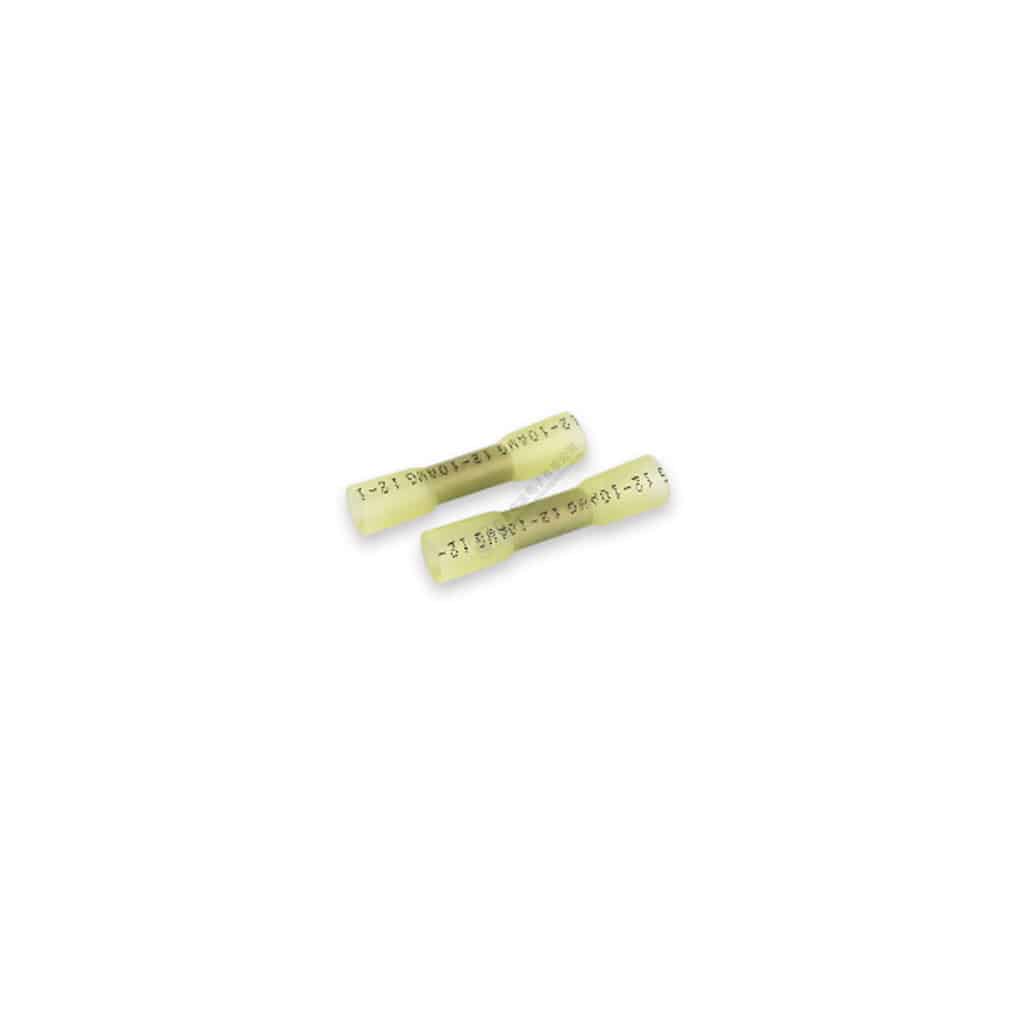
Tin-Plated Copper Heat Shrink Wire Connectors (TS-WCRMP20)
These connectors combine a corrosion-resistant tin-plated copper core with a watertight heat-shrink jacket to seal every splice against moisture. They are the detail that keeps outdoor installations running failure-free through harsh conditions and changing seasons.
Frequently Asked Questions
What makes landscape lighting easy to install?
A: Easy-to-install landscape lighting relies on low voltage systems, standardized connectors, and organized kits that reduce tooling and guesswork. The goal is a faster, cleaner installation without sacrificing durability.
Is low voltage landscape lighting safe to install?
A: Yes. Low voltage systems operate at reduced power, which significantly lowers shock risk during handling and makes them safer and more forgiving than line voltage work.
Why do outdoor wire connections fail?
A: Most failures come from moisture intrusion at unsealed splices. Using sealed connectors like the Tru-Scapes Tin-Plated Copper Heat Shrink Wire Connectors prevents corrosion and keeps connections watertight.
What is a rep kit and who is it for?
A: A rep kit is a curated collection of products designed for contractors and lighting representatives to demonstrate and deploy. Tru-Scapes offers kits tailored to decks, docks, and structural lighting applications.
Can I expand a plug-and-play lighting system later?
A: Yes. One of the biggest advantages of plug-and-play landscape lighting is easy expansion. You can add fixtures to existing runs as long as your transformer has adequate capacity.
Do I need a permit for low voltage landscape lighting?
A: Permitting requirements vary by locality, but low voltage systems often involve minimal permitting compared to line voltage. Always confirm local codes before beginning any installation.
What tools do I need for a basic install?
A: Most low voltage installations require simple hand tools, wire strippers, a heat source for heat-shrink connectors, and a shovel or trenching tool for cable burial.
Why Tru-Scapes Is the Answer
Contractors need components that perform in the field, not just on paper. Tru-Scapes is built around that standard. Every product in the lineup is engineered for the realities of outdoor installation, where moisture, temperature swings, and heavy use test the durability of every connection and fixture.
The Tru-Scapes approach to landscape lighting starts with reliability. The Tin-Plated Copper Heat Shrink Wire Connectors exemplify this commitment, combining a corrosion-resistant core with a watertight seal that protects installations for years. Paired with purpose-built rep kits for decks, docks, and structures, Tru-Scapes gives contractors a complete, organized system rather than a pile of mismatched parts.
That focus on engineering and organization translates directly into better homeowner outcomes: fewer failures, cleaner results, and lighting that lasts. When a contractor stakes their reputation on a job, Tru-Scapes delivers the dependable foundation that keeps clients satisfied and crews efficient. It is not just about lighting a property. It is about doing it right the first time.
Glossary
- Low Voltage Lighting: A landscape lighting system that operates at reduced power, typically stepped down by a transformer for safer, easier installation.
- Heat-Shrink Connector: A wire connector with a jacket that shrinks when heated, forming a watertight, corrosion-resistant seal around a splice.
- Transformer: A device that reduces standard household voltage to the low voltage required by landscape lighting fixtures.
- Rep Kit: A curated package of lighting products assembled for contractors and representatives to demonstrate and deploy in the field.
Conclusion
Easy-to-install landscape lighting is about more than convenience. It is about giving contractors the tools to work faster, seal connections that last, and deliver results that keep clients coming back. Low voltage systems, organized rep kits, and sealed heat-shrink connectors form the backbone of installations that hold up season after season.
Ready to equip your crew with lighting built for the field? Explore the Tru-Scapes Deck & Dock Lighting Rep Kit and the reliable Tin-Plated Copper Heat Shrink Wire Connectors to start delivering installations you can stand behind.